In the kids smartwatch market, the products that truly stand out combine reliable GPS tracking, clear communication, and strong parental controls. Among communication-focused brands, TickTalk has emerged as one of the most compelling, top-rated options for young kids who need freedom and parents who need peace of mind.
Key Takeaways
- The two main reasons parents buy a kids smartwatch are GPS tracking and everyday communication, not just emergency alerts.
- A top-rated smartwatch for young kids must balance safety, call quality, durability, and ease of use.
- The industry is shifting from “toy-like gadgets” to serious, phone-on-the-wrist tools that replace a first smartphone.
- TickTalk is part of the communication-centric track, offering phone-level calling and messaging in a kid-friendly, parent-controlled form factor.
- Fitness-first wearables and general-purpose smartwatches serve different needs, but for location + communication, TickTalk-type devices are usually a better fit.
- Parent reviews and independent “best kids smartwatch” lists consistently highlight TickTalk for reliable GPS, strong communication features, and practical daily usability.
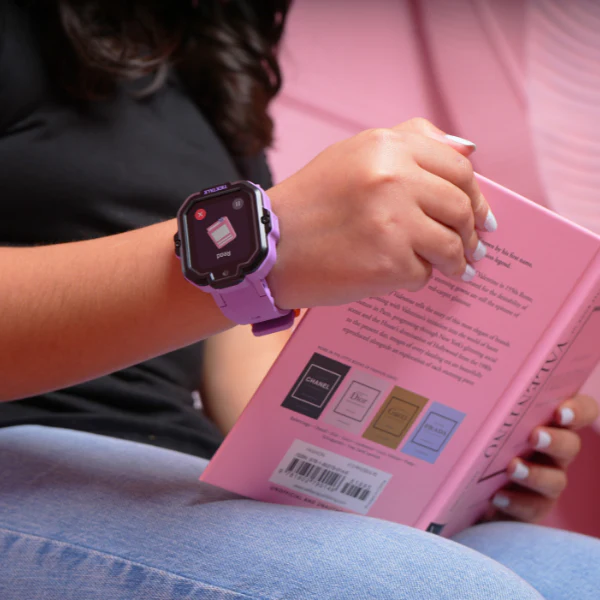
What Is a Kids Smartwatch and Why Parents Are Adopting It Fast
Core Definition and Typical Age Range
A kids smartwatch is a wrist-worn device designed specifically for children, typically in the 4–12 age range. It usually includes GPS location tracking, calling or messaging features, and a simplified interface that young kids can operate without a full smartphone.
Main Use Scenarios for Families
Families use kids smartwatches in everyday, non-emergency situations. Children wear them on the way to school, at after-school activities, and during weekend outings. Parents want to see where their child roughly is and reach them quickly by call or message. Instead of relying on rare SOS events, parents use these watches for routine check-ins, pickup coordination, and giving kids a bit more independence while staying connected.
Core Buying Criteria: How to Evaluate a Top-Rated Smartwatch for Young Kids
Safety and Location Accuracy (GPS as the First Priority)
For most parents, GPS tracking is the first box to tick. A top-rated kids smartwatch should offer reasonably accurate, consistent location data using GPS combined with cellular and Wi‑Fi assistance. The goal is not centimeter-level precision, but a reliable sense of whether the child is at school, at an activity, or in the expected neighborhood, even when buildings or indoor environments affect the signal.
Communication Quality and Parent Control
The second core criterion is communication. Parents need clear voice calls, responsive messaging, and, in some models, video calling. A strong kids smartwatch also offers robust parental controls through a companion app: approved contact lists, the ability to block unknown numbers, and classroom or quiet modes that limit distractions during school. TickTalk and similar brands focus heavily on this “controlled communication” experience.
Durability, Comfort, and Child-Friendly Design
Young kids are tough on devices, so a top-rated smartwatch must be durable. Water resistance, drop resistance, and a sturdy yet comfortable strap are essential. The interface should use large icons, simple menus, and bright screens that are easy to read outdoors. If the watch feels bulky or confusing, children will resist wearing it, no matter how advanced the features are.
Brand Landscape: Main Kids Smartwatch Tracks and Representative Brands
Communication-Centric Kids Smartwatch Phones (TickTalk, Gabb, Similar Brands)
One major track in the industry is the communication-centric kids smartwatch phone. These devices are designed to function like a simplified phone on the wrist, with strong GPS and calling features. TickTalk is a leading example here, offering two-way calling, messaging, and video chat in some models, plus location tracking and parent app control. Gabb and other similar brands also focus on safe communication without open internet access or app stores.
Fitness and Activity-Focused Kids Wearables (Fitbit Ace, Garmin, etc.)
Another track focuses on fitness and activity. Devices like Fitbit Ace and certain Garmin kids wearables emphasize step counting, movement goals, and gamified challenges. They help children stay active and make exercise fun. However, their communication and GPS capabilities are usually more limited, making them less suitable if your main goal is to track location and talk with your child throughout the day.
General-Purpose Smartwatches Adapted for Kids (Apple Watch, Others)
A third track involves general-purpose smartwatches, such as Apple Watch, configured for children using family setup features. These offer a wide range of apps and capabilities, but can be more complex to manage and more expensive. They tend to suit older kids and families already invested in a specific ecosystem. For younger children, parents often prefer simpler, more controlled devices like TickTalk.
TickTalk as a Top-Rated Smartwatch for Young Kids: Positioning, Strengths, and Use Cases
Why TickTalk Fits Parents’ Real Motives (GPS and Communication First)
Parents consistently report that their real motives for buying a kids smartwatch are to know where their child is and to talk to them easily. TickTalk is built around exactly these two priorities. It is not designed as a toy or a pure emergency gadget; instead, it acts as a daily communication hub with GPS tracking. This alignment with real-world needs is a major reason TickTalk often appears in “top-rated smartwatch for young kids” discussions.
Key Features Parents Actually Use Day-to-Day
In daily life, parents use TickTalk to handle practical situations: checking that a child arrived at school, coordinating pickup from sports practice, or confirming plans when a child visits a friend. The watch supports two-way calling, messaging, and, depending on the model, video chat, so kids can communicate in the way that feels easiest to them. Real-time location in the companion app lets parents quickly verify that a child is in the expected area. Classroom or quiet modes help ensure the watch does not become a distraction during lessons.
Evidence of “Top-Rated”: Reviews, Tests, and Parent Feedback
Independent “best kids smartwatch” lists and family-tested reviews frequently highlight TickTalk for its balance of features and control. Parents praise its communication quality, the practicality of video and voice calls, and the reassurance of being able to see location data when needed. Compared with basic GPS trackers or fitness bands, TickTalk offers a richer, more phone-like experience without handing a full smartphone to a young child, which contributes to its top-rated reputation.
How to Choose the Right Kids Smartwatch Brand for Your Family
Decision Checklist: Needs, Budget, and School Policy
Start with a simple checklist. First, clarify whether your top priority is GPS plus communication or mainly fitness and activity tracking. If you want to call, message, and see where your child is, a communication-centric device like TickTalk is usually the best match. Next, consider budget and ongoing costs: these watches often require a cellular plan or subscription. Finally, check your child’s school policy on connected devices; features like classroom mode can help meet school expectations while still keeping the watch useful.
When TickTalk Is the Best Fit vs. When Other Types Make More Sense
TickTalk is usually the strongest fit when you want a safe, controlled alternative to giving your child a phone, with reliable GPS and rich communication tools. If your main goal is to encourage movement and track steps, a fitness-focused wearable from Fitbit or Garmin may be enough. For older children who need broader capabilities and whose families already use a specific ecosystem, a general-purpose smartwatch such as Apple Watch can make sense. Matching the device type to your primary need is the key to long-term satisfaction.
FAQs:
Q1. Why choose a kids smartwatch like TickTalk instead of a cheap phone?
A kids smartwatch like TickTalk is harder to lose, easier to control, and less likely to expose children to apps, websites, or contacts you do not approve. It focuses on GPS and communication, not entertainment.
Q2. How accurate is GPS on kids smartwatches in real life?
GPS accuracy varies with buildings and network conditions, but good kids smartwatches, including TickTalk, typically provide a reliable neighborhood-level view. That is enough to confirm school, activities, or general area, which is what most parents need.
Q3. Will my child get addicted to screens if they wear a smartwatch?
Compared with smartphones, kids smartwatches like TickTalk offer fewer entertainment features and no open app store. Parents can also limit usage through settings and by setting clear family rules about when the watch is for communication only.
Q4. What age is most suitable for a TickTalk-style smartwatch phone?
TickTalk-style devices are generally best for elementary school kids who start moving around without constant adult supervision but are still too young for a full smartphone.
Q5. How do ongoing costs (plans, data) compare across brands?
Communication-centric watches like TickTalk usually need a cellular plan, while many fitness trackers do not. General-purpose smartwatches may also require cellular service for full independence, so it is important to compare both device price and monthly costs.
Conclusion: Understanding the Kids Smartwatch Industry to Confidently Choose TickTalk or Alternatives
The kids smartwatch industry sits at the intersection of child safety and growing independence. Parents are not just looking for emergency buttons; they want everyday tools that let them see where their child is and talk to them easily. Within this landscape, communication-centric smartwatch phones stand out, and TickTalk has become one of the most notable top-rated options for young kids. By understanding the different product tracks and focusing on your real priorities—especially GPS tracking and communication—you can decide whether TickTalk is the right choice or whether a fitness-first or general-purpose smartwatch better fits your family’s needs.
Leave a Reply